Guides
5 Foods to Bring in the New Year
As 2025 draws to a close and we prepare to ring in 2026, we've put together 5 foods that are traditionally eaten during this time of the year!
Toshi Koshi Soba
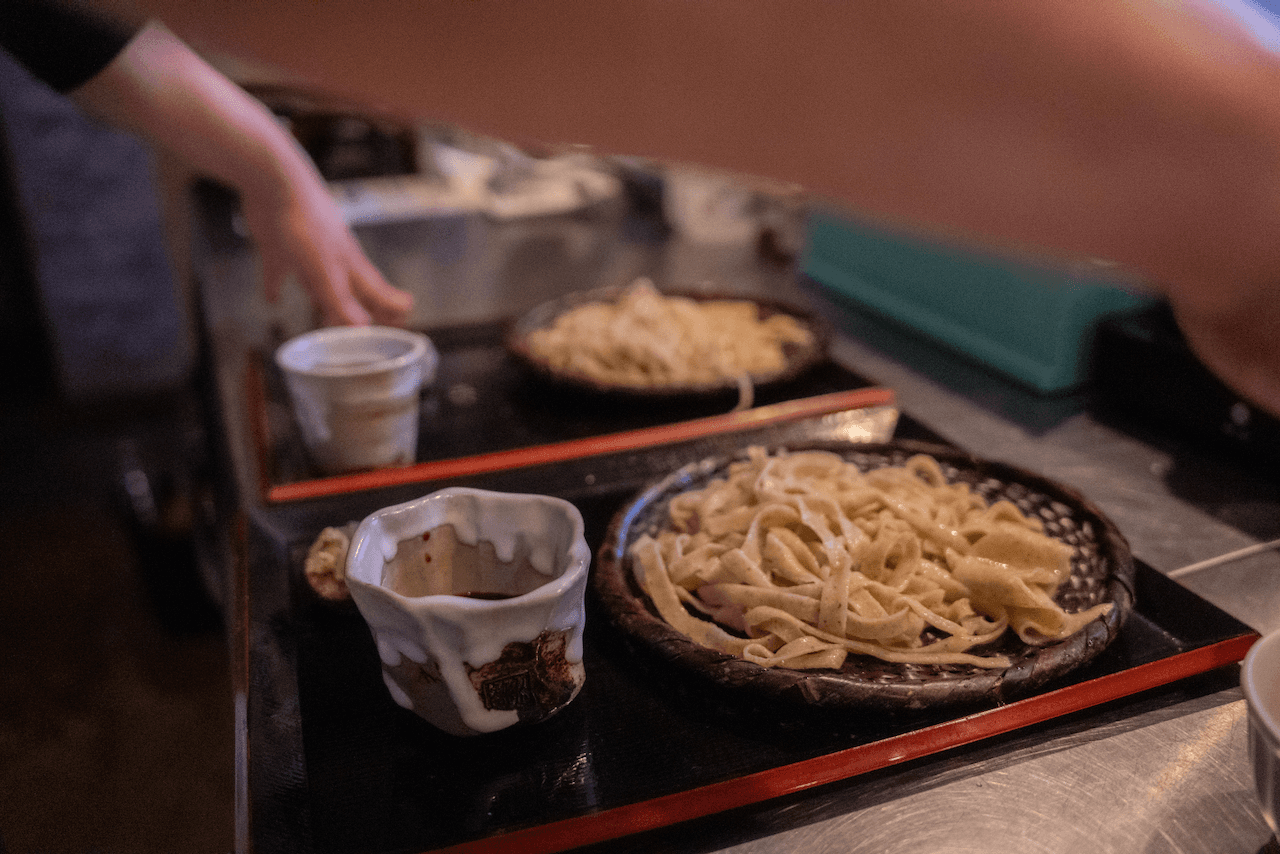
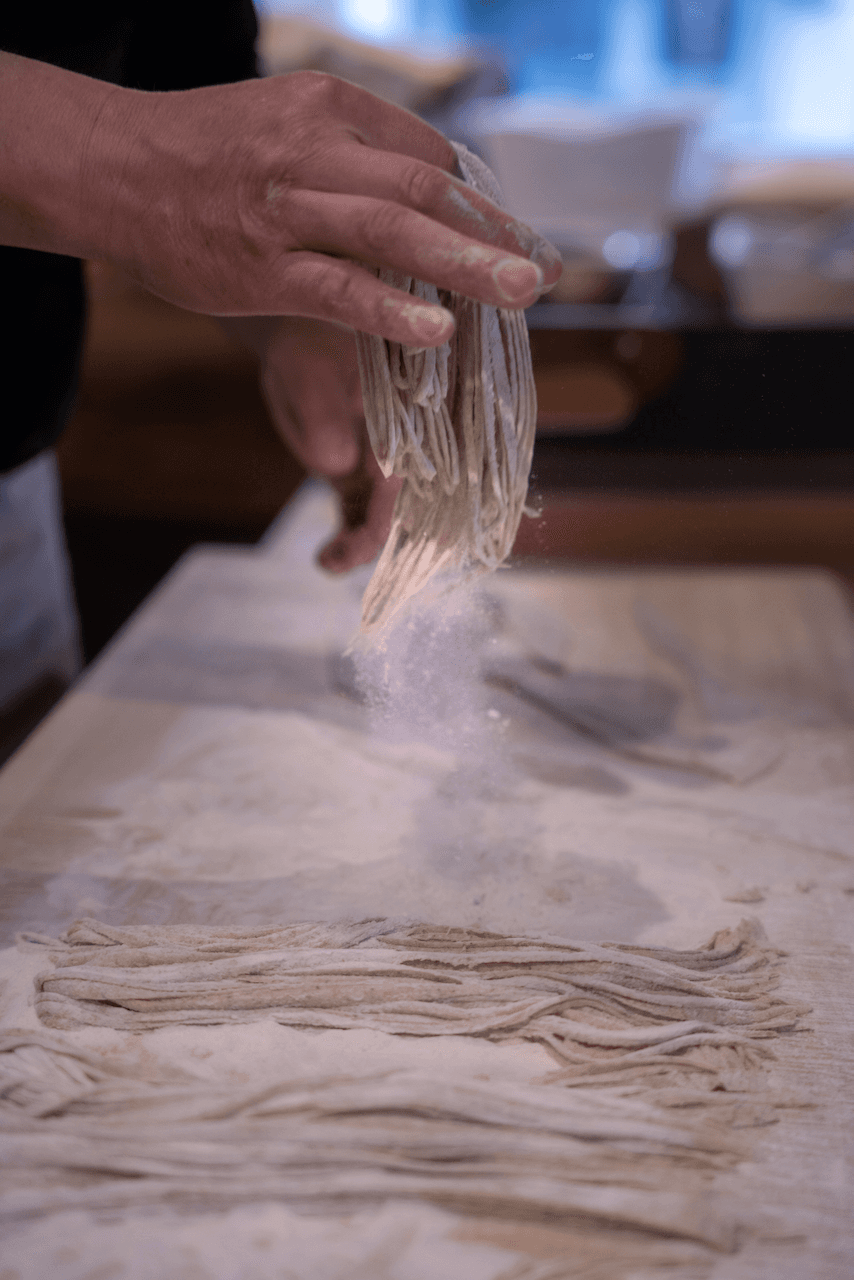
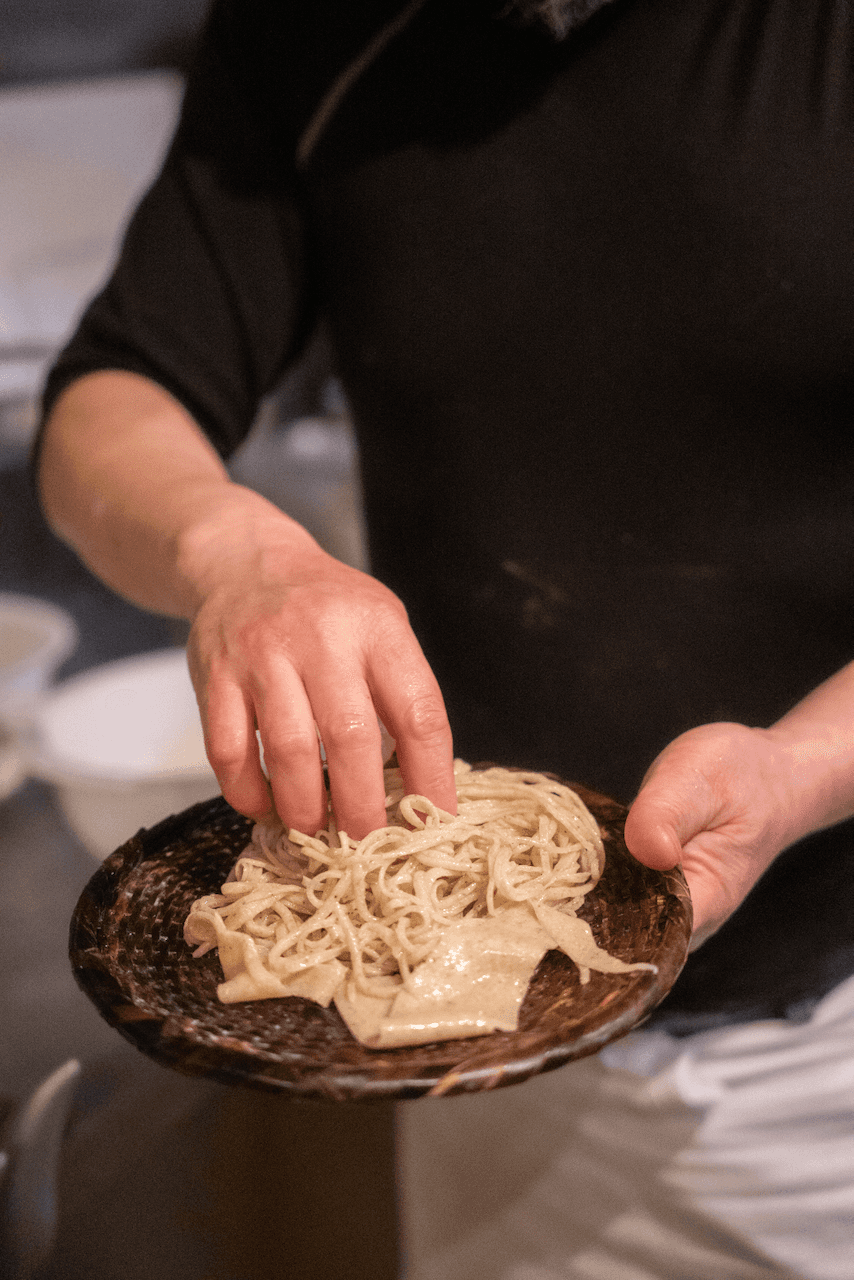
New Year's Eve is one of the busiest times of the year for many soba noodle stores in Japan
Traditionally, many Japanese people will finish their year off with these buckwheat noodles - wishing for a long life, but also symbolising cutting off bad fortune
There aren't many rules for Toshi Koshi soba, so you can enjoy them with any toppings and dipping sauce you like! In fact, some families with kids might even have Toshi Koshi ramen instead on New Years!
Where to try: Kanda Matsuya (Kanda) - Famous longstanding soba shop that is a favourite amongst locals
You can also make your own soba with our Soba Making Experience in Mashiko!
Osechi Ryori
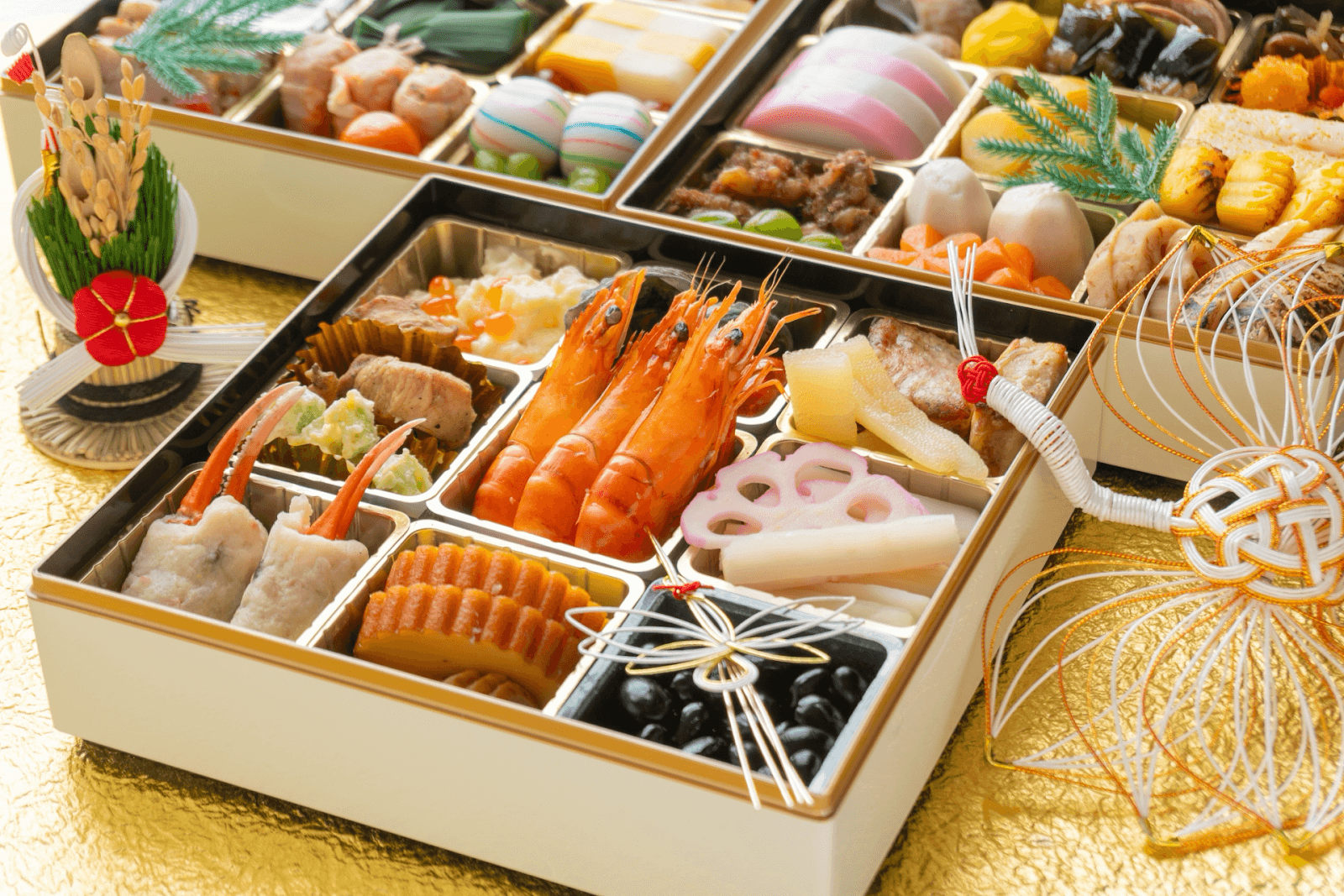
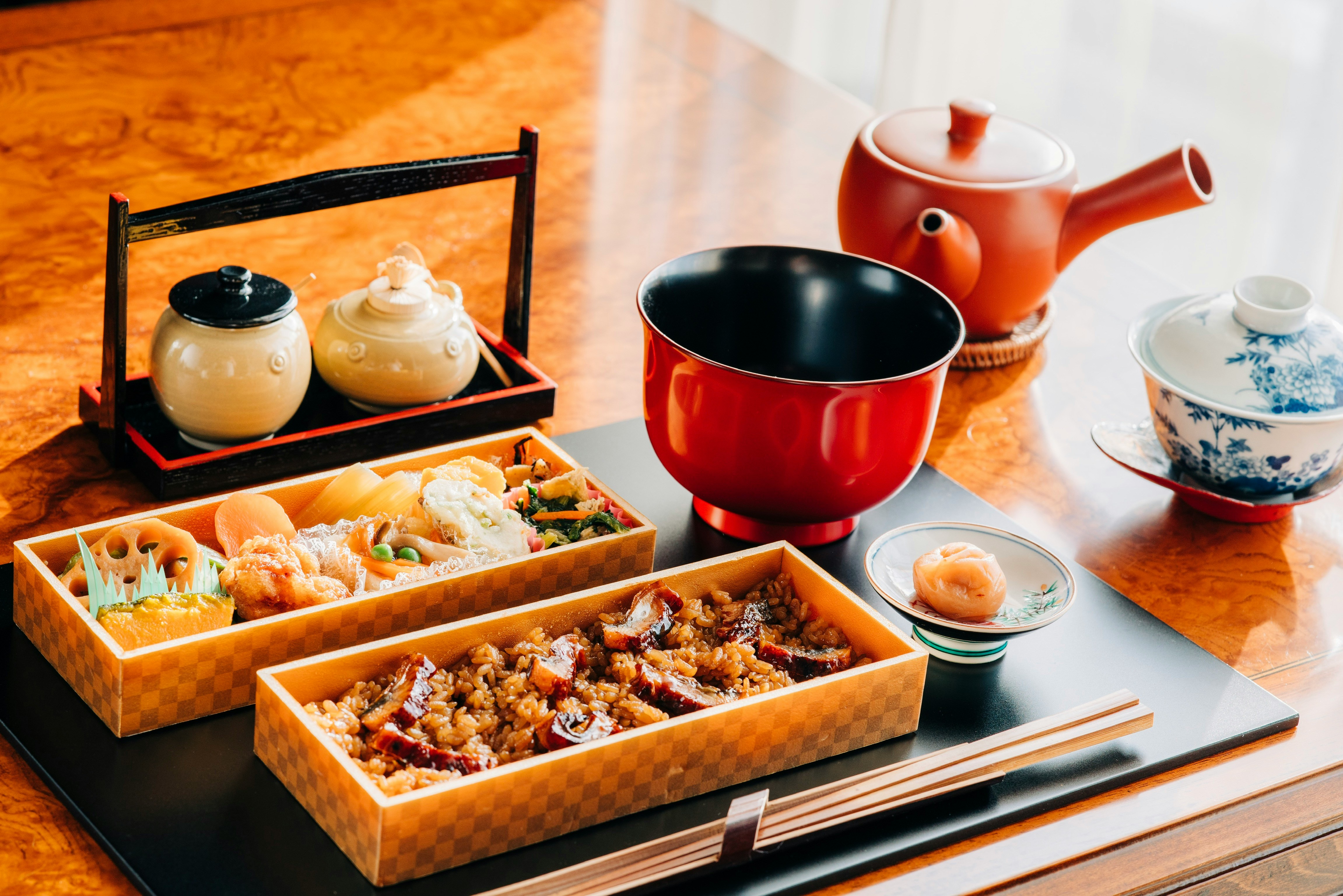
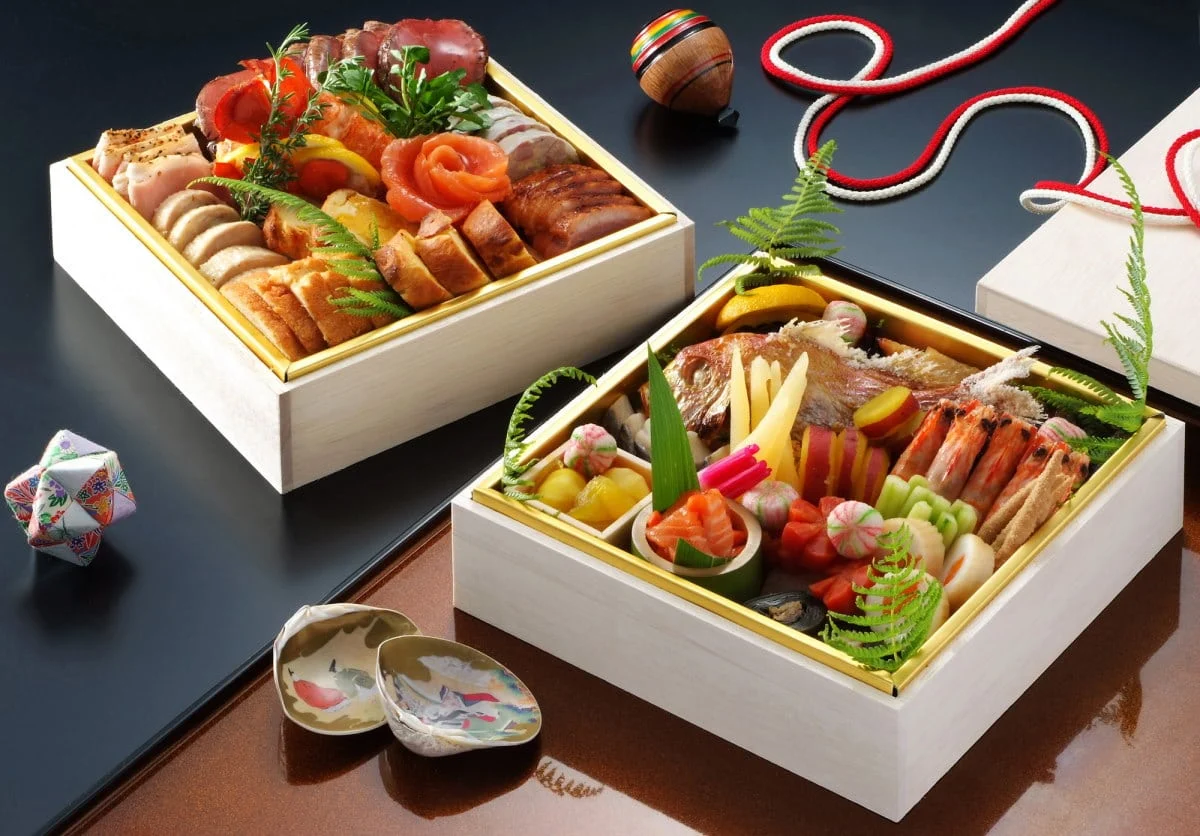
Osechi Ryori is a collection of different auspicious side dishes eaten over the first 3 days of the New Year
Each dish has a different lucky meaning, but some of our favourites are the sweet kuro mame (black beans) for health, tai (sea bream) for congratulations and shrimp for a long life
Some families will make their own Osechi before the New Year, but it's common to buy some or all of the dishes pre-made
Pre-orders for full Osechi sets start as soon as October and some department stores even offer more elaborate sets for as much as ¥40,000!
Where to try: Osechi tends to be something eaten at home with family and you'll be ablve to find these sets at department stores (find it in the basement floor) and supermarkets around Japan
Ozoni
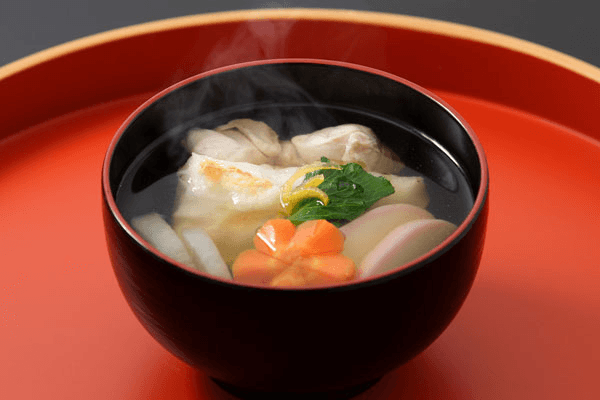
Not all mochi in Japan is sweet and Ozoni might be the best dish to try savoury mochi for the first time
It's a grilled or boiled mochi on top of soup and is one of the New Year's dishes that divides different regions in Japan
In Tokyo and Northern Japan, a clear dashi soup is topped with square of grilled Mochi, whereas in the West and South, you'll find miso soup topped with round circular mochi
Different families will also have their variations of what to add, from earthy root vegetables, to delicate herbs and greens topped with yuzu peel
Where to try: Mosuke Dango Toyosu Market - This spot (although in a more touristy area) has a history of over 120 years and is well known spot for those living in Tokyo to get their Ozoni fix all year round
Nanakusa-gayu
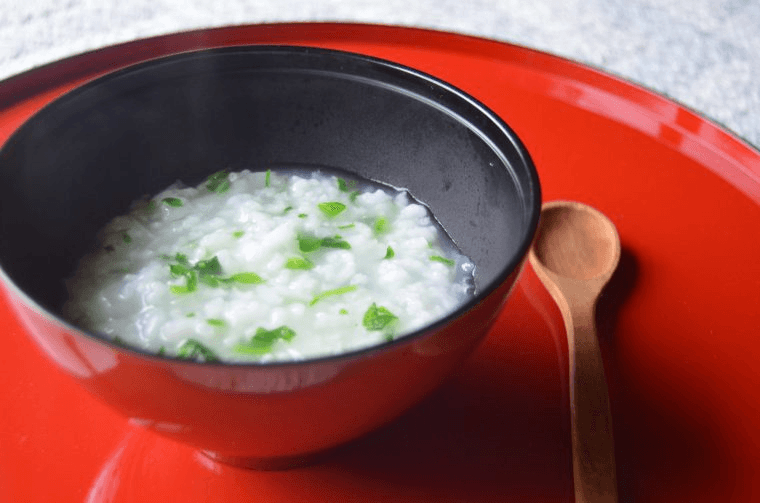
On the 7th of January, you'll find supermarkets across Japan selling a curious pack of 'seven herbs of spring'
This is to make Nanakusa-gayu, a rice porridge / congee with seven different vegetables and herbs: seri (Japanese parsley), nazuna (shepherds purse), gogyou (cudweed), hekobera (chickweed), hotegenoza (henbit), suzuna (turnip) and suzushiro (daikon)
Despite the less than appealing sounding greens, this nourishing soup is said to ward off colds for the entire year and is one of the best things to eat after indulging over the holiday period
Where to try: Sahara Teahouse - Located in Mukojima Garden (¥150 entry fee for the garden), this tea house is said to be the originator of Nanakusa-gayu (servings are limited and only available from January 4 to January 7)
If you can't make it to Sahara Teahouse, Soup Stock Tokyo is a soup restaurant chain that will also sell this warm porridge dish on 7 January
Zenzai / Oshiruko
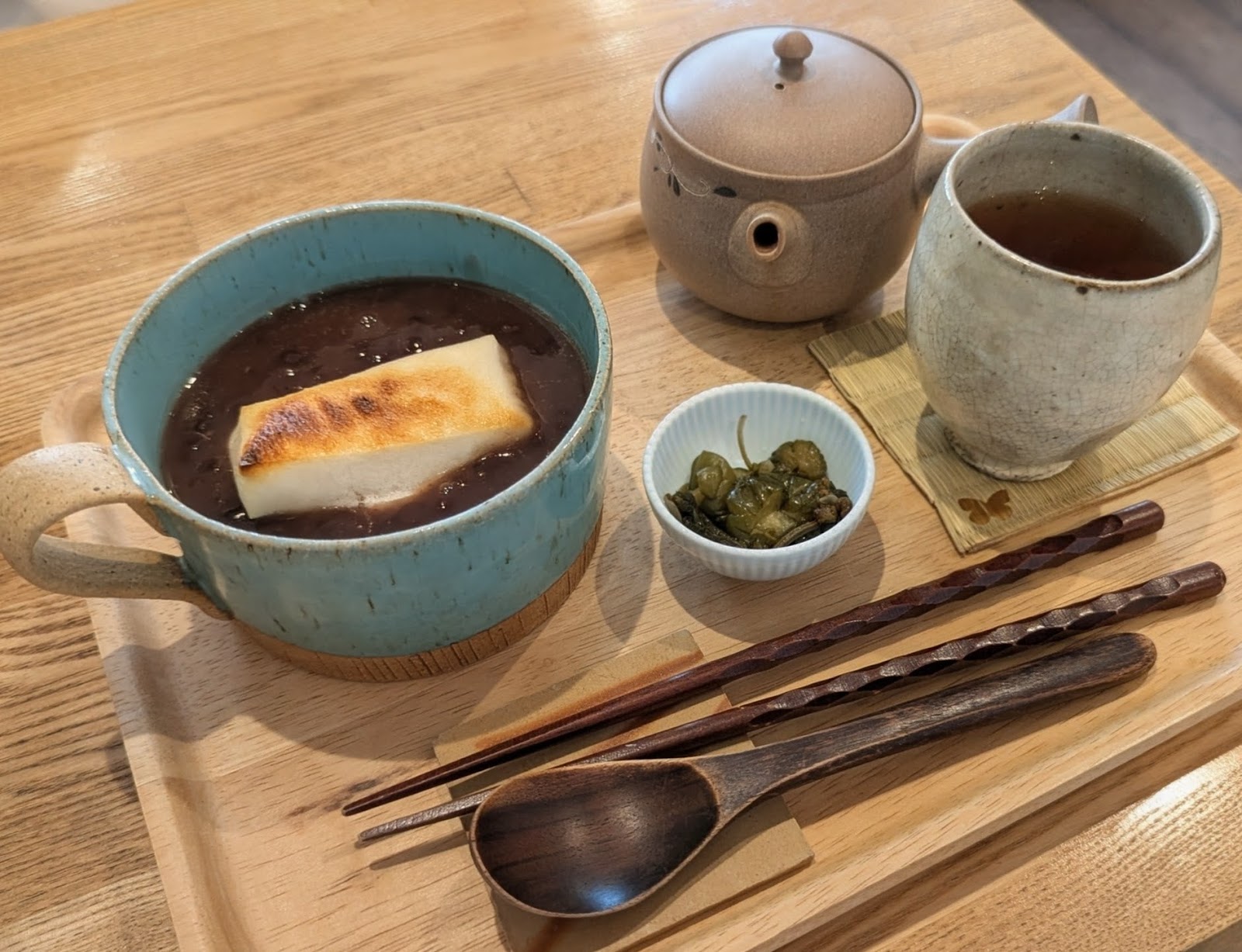
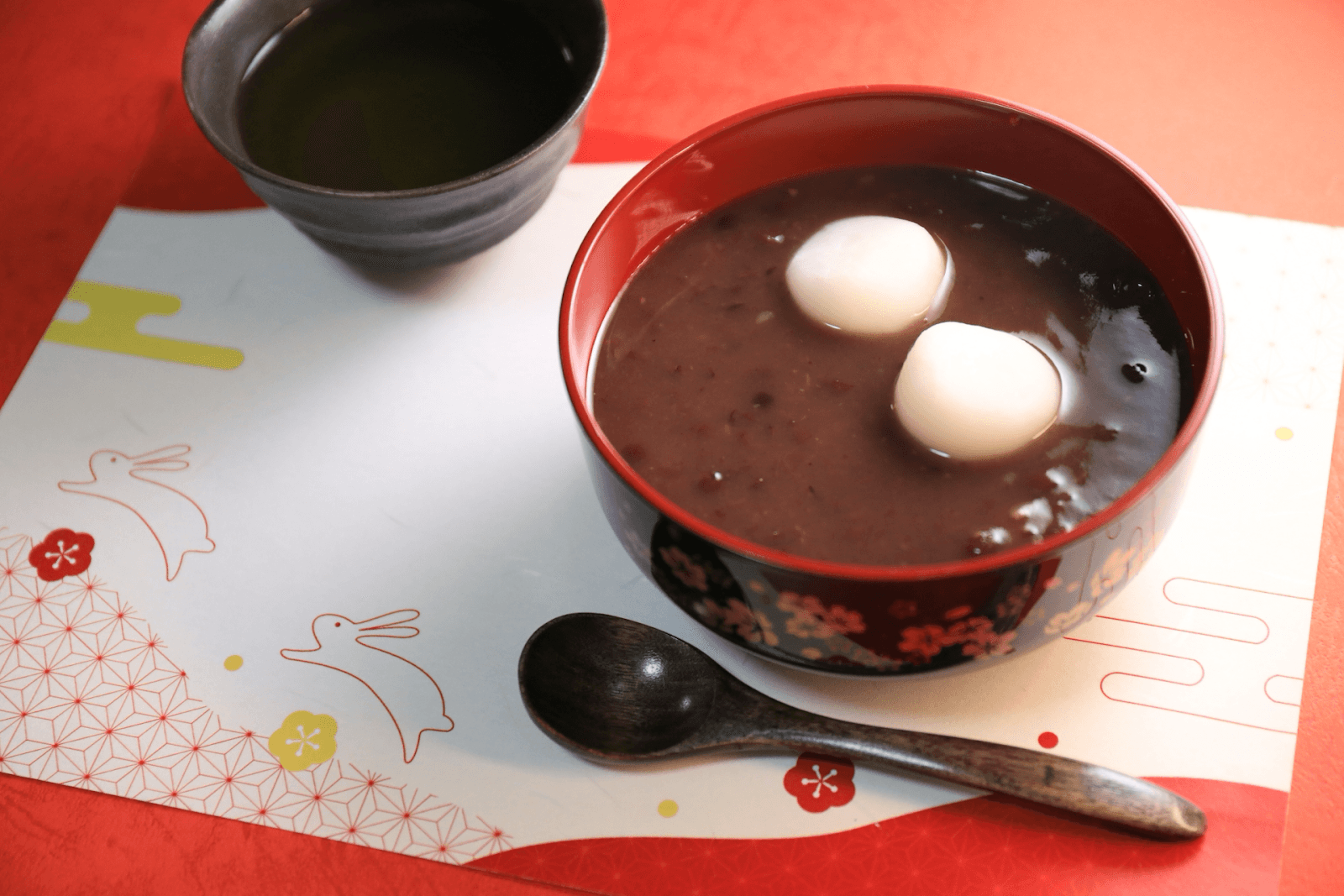
This sweet red bean soup and mochi treat is the perfect winter dessert to warm up from within and is usually paired with salty pickles or seaweed to balance the warm, rich, sweet taste
Zenzai is a thicker red bean soup with whole red beans, whereas Oshiruko is on the more liquid side
In Tokyo, Oshiruko is a azuki (red bean) paste served with either mochi or shiratama, whereas in Osaka and Kyoto both Zenzai and Oshiruko are soups topped with mochi
Where to try: Kanmi Okame - This location is the perfect respite after walking around the Imperial Castle and gardens
Want the inside scoop on hidden gems in Japan, discover Japan travel tips, and explore the best of this amazing country? Follow us on social media, subscribe to our newsletter, or pretty much wherever we pop up online. Your curiosity is what makes this journey fun, and we’re thrilled to have you along for the ride 🧡